Futurism, Constructivism, and Dada in Georgia, 1917–1928, now on view at The Metropolitan Museum of Art’s Thomas J. Watson Library, brings the printed culture of Tbilisi’s avant-garde into a major New York museum.
The exhibition focuses on artist publications and collaborations made in Georgia between 1917 and 1928. Its subject is not a single style but a creative ecosystem: poets, painters, publishers and performers working across Cubism, Futurism, Expressionism, Constructivism and Dada.
That range matters because the history of modernism is often told as a journey outward from Western Europe. The Met’s presentation offers a more complicated map. In the years surrounding Georgia’s short-lived independence, Tiflis—as Tbilisi was then known—became a meeting place for artists and writers of different nationalities, ethnicities and artistic commitments.
The city’s cafes and literary salons supplied the social infrastructure for this exchange. Poetry recitations, lectures, performances and exhibitions gave experimental ideas a public life. The printed page carried that energy further, turning books and magazines into collaborative artworks rather than neutral containers for text.
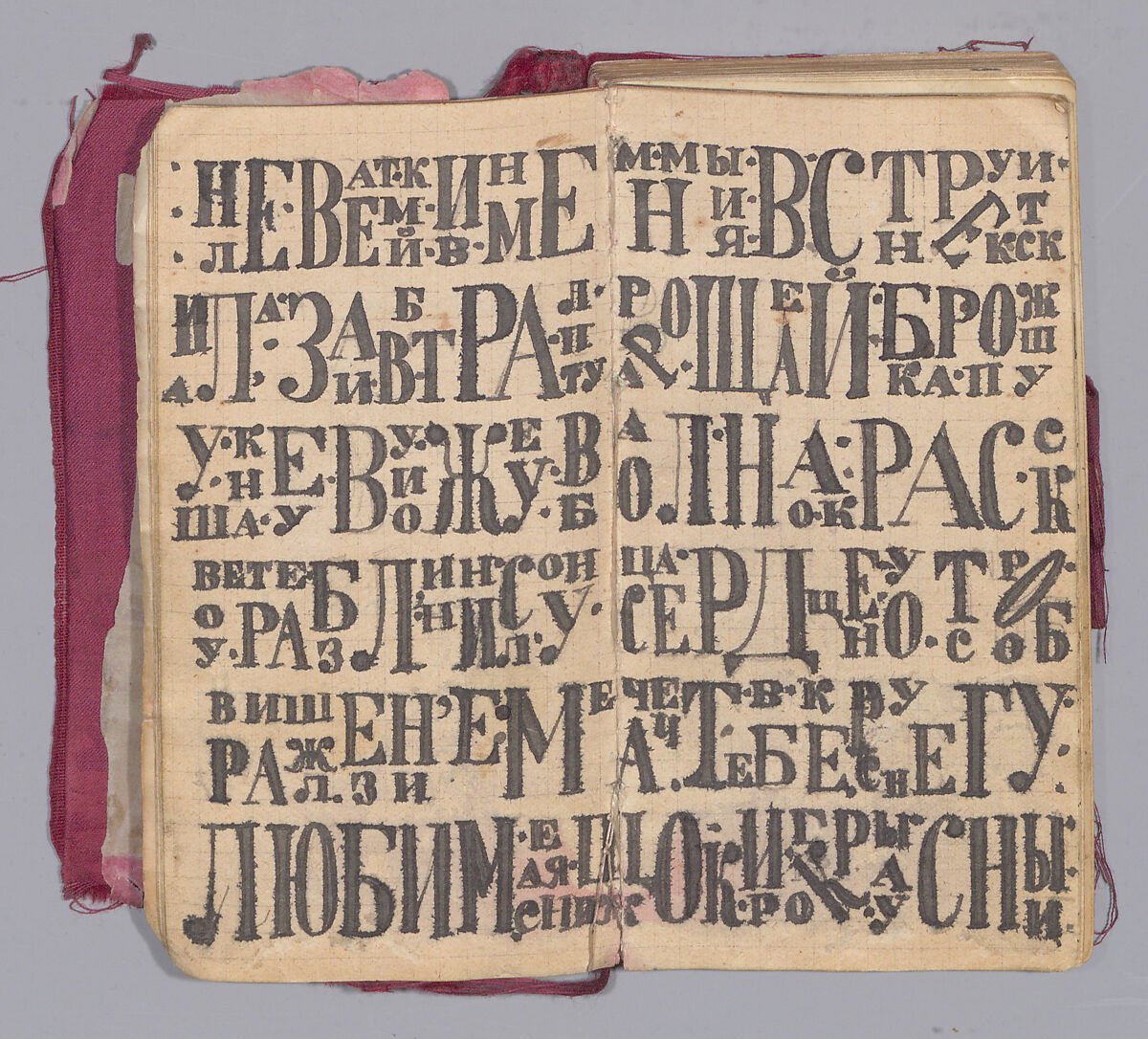
Among the exhibition’s featured objects is To Sofia Georgievna Melnikova: The Fantastic Tavern, published in Tiflis in 1919 by the 41° group. The illustrated book gathers artists associated with the city’s experimental cafe culture, including the brothers Ilia and Kirill Zdanevich, Lado Gudiashvili, Natalia Goncharova and Zygmunt Waliszewski. Foldout designs, tipped-in images and shifting typography make the book feel less like a record of a movement than a room in which several movements meet.
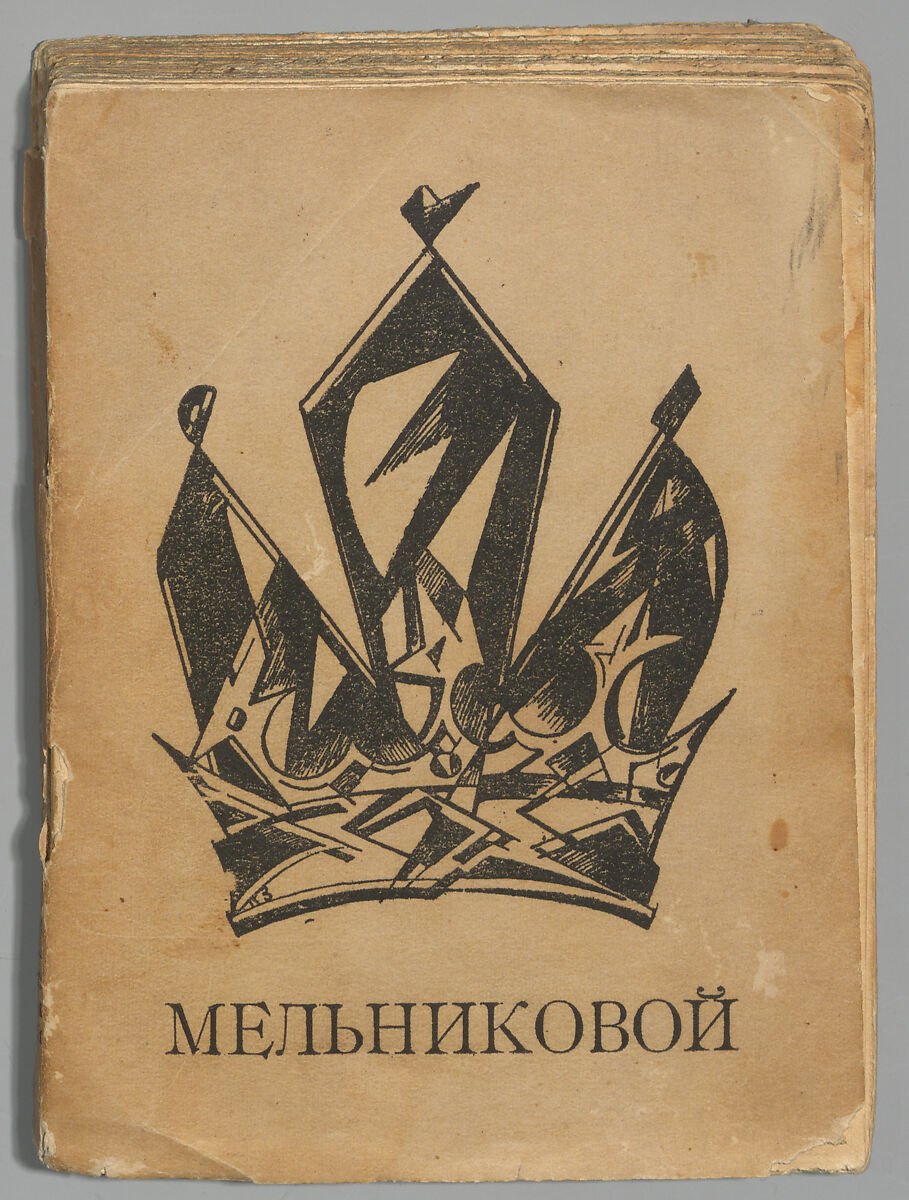
The 41° name itself points to Tbilisi’s latitude, while also suggesting an overheated creative atmosphere. The group is frequently discussed in relation to Russian Futurism and Dada, but the exhibition’s strength lies in showing how those languages were adapted to local conditions. Georgian folklore, regional imagery and medieval artistic traditions appear alongside radical typography and transrational poetry. The result is neither a copy of Paris or Moscow nor an isolated national school.
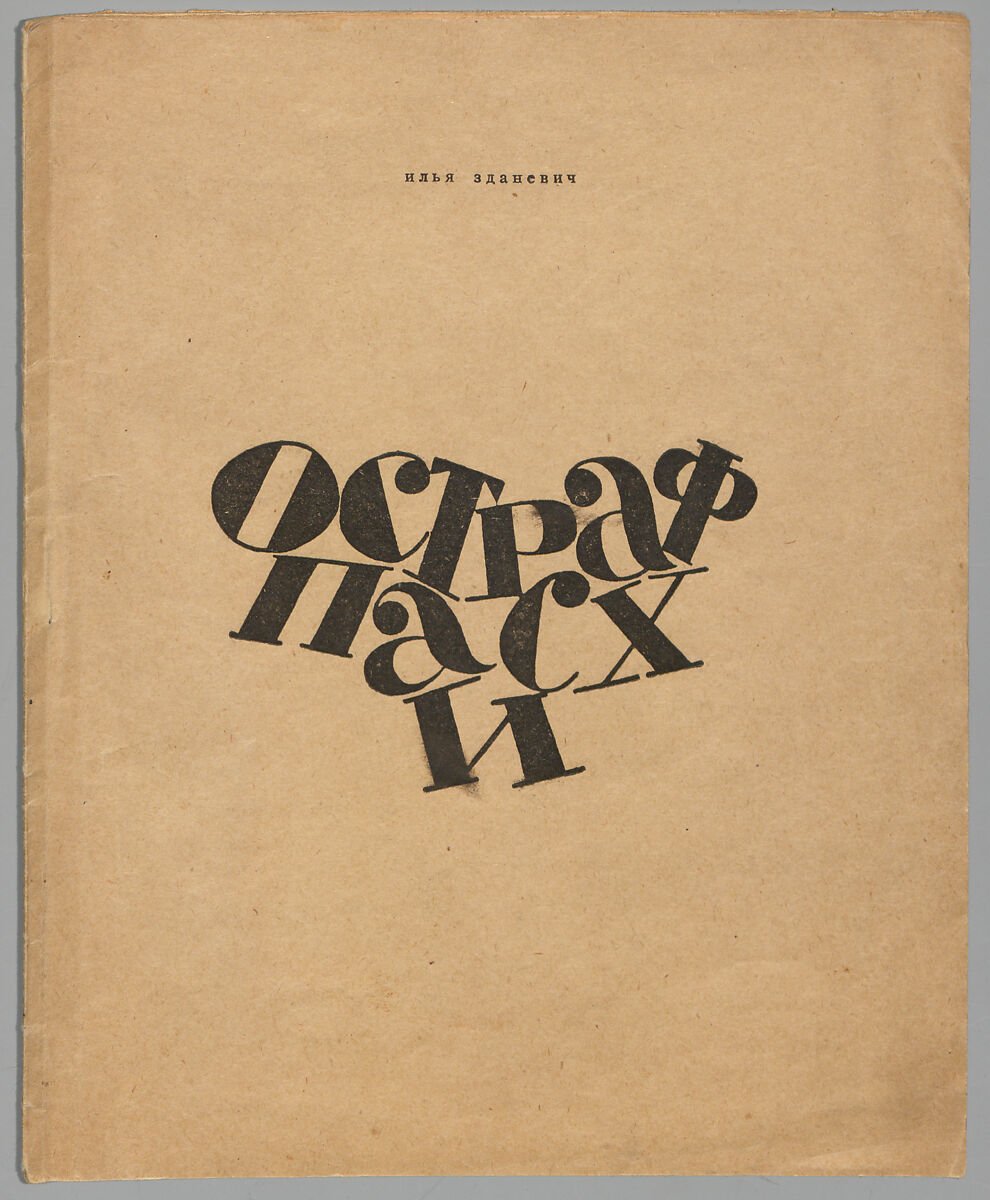
Ilia Zdanevich—later known as Iliazd—embodies this fluid geography. Born in Tbilisi to a Georgian mother and Polish father, he moved among Georgian, Russian and European avant-garde circles. His work as a poet, publisher, translator and typographer made the book a site of encounter. The same impulse that animated Futurist lectures in Tiflis would later inform his celebrated artist’s books in Paris.
Davit Kakabadze offers another route through the exhibition’s questions. His art joined Georgian landscape and cultural memory to research into abstraction, optics and space. In this context, modernism does not require the abandonment of place. It becomes a method for looking more intensely at place—through geometry, photography, painting and print.
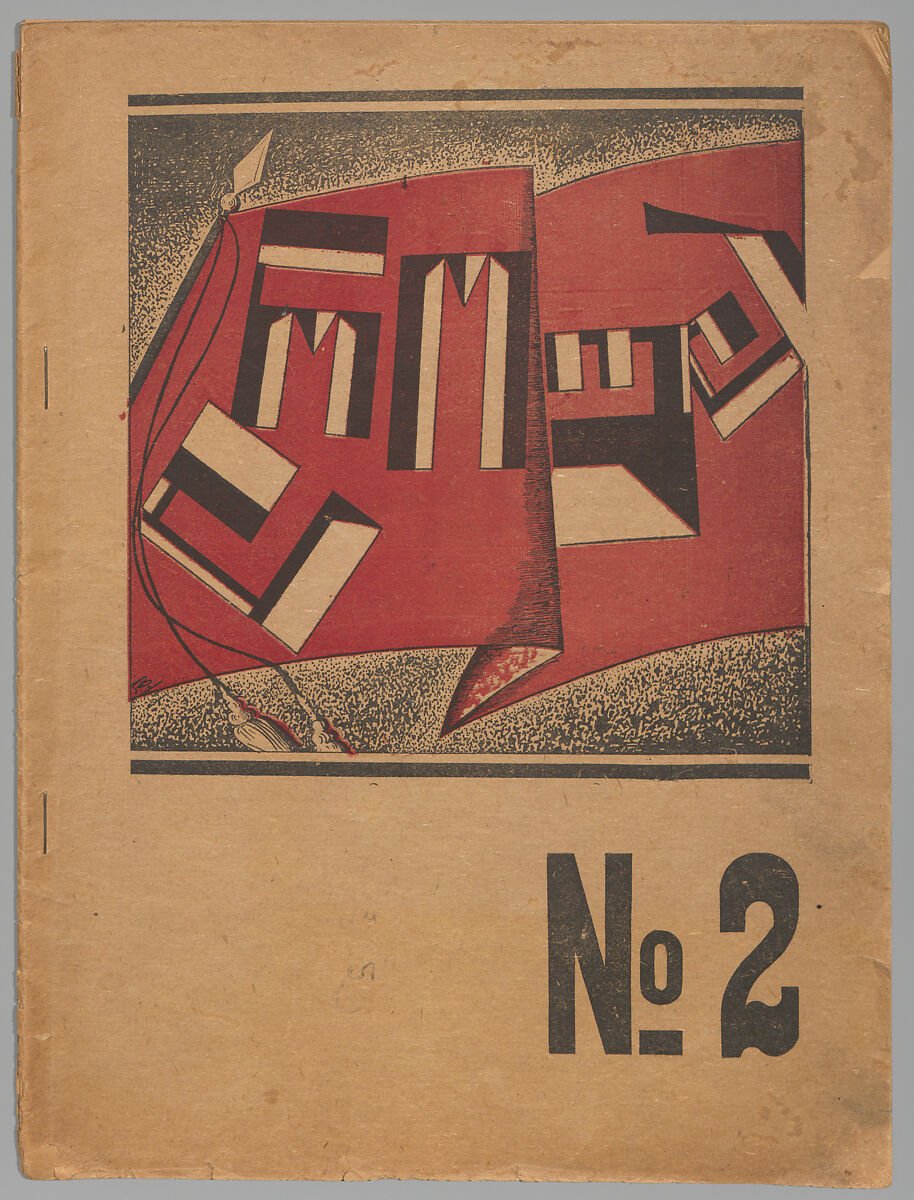
The exhibition also carries the weight of what followed. Georgia’s independence lasted from 1918 to 1921, and the avant-garde networks that flourished in Tiflis would later face the narrowing conditions of Soviet cultural policy. Seen from the present, the books are both exuberant artifacts and fragile evidence of a brief period when artistic life could remain unusually open, multilingual and collaborative.
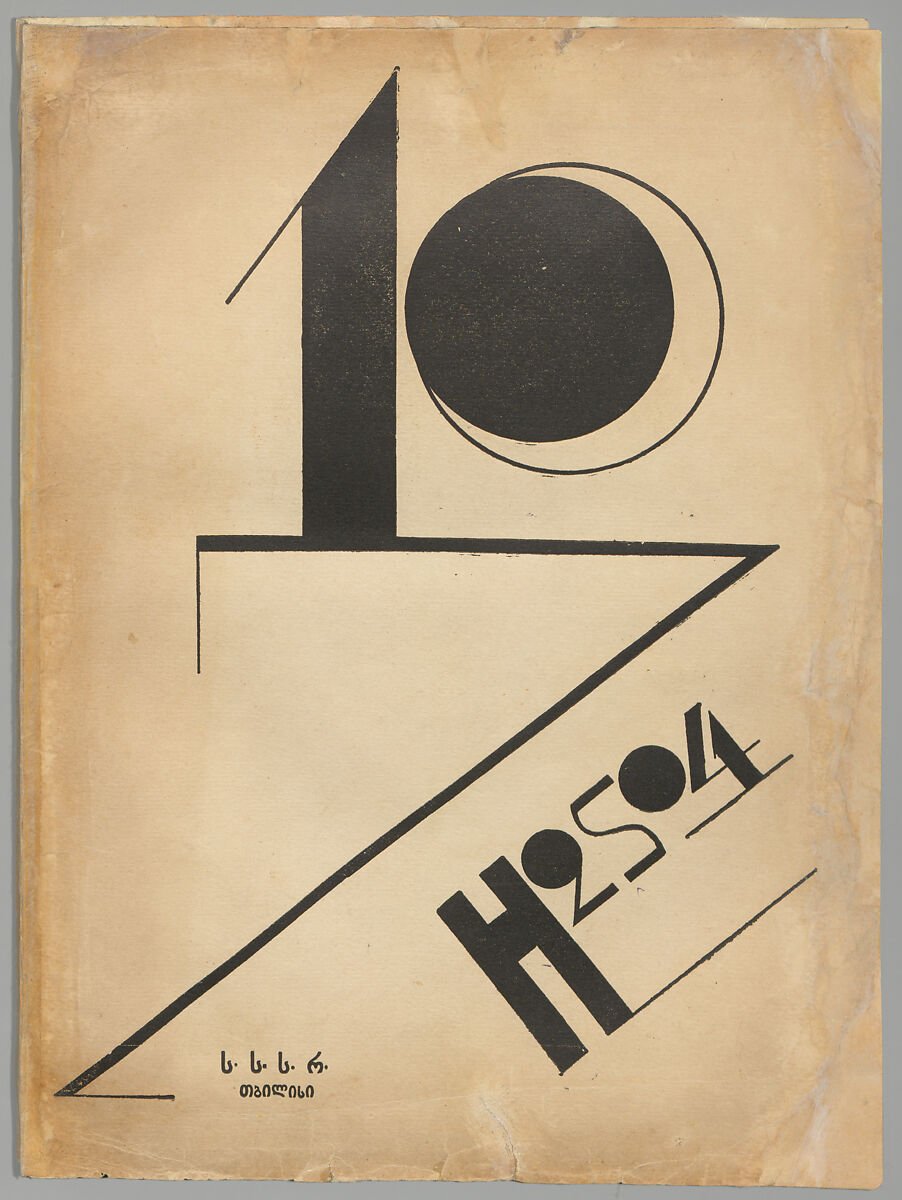
The works on view are recent gifts and promised gifts to Watson Library from the collection of David Orentreich. After the exhibition, the objects will be available for consultation in the library’s reading room by appointment. For visitors, the show offers a chance to encounter Georgian modernism not as a footnote to another movement, but as a dynamic field with its own makers, institutions and vocabulary.
Visitor information: Futurism, Constructivism, and Dada in Georgia, 1917–1928 is on view at Thomas J. Watson Library, The Met Fifth Avenue, through Oct. 27. Admission is included with museum admission. Exhibition details are available from The Metropolitan Museum of Art.
Sources: The Metropolitan Museum of Art; The Museum of Modern Art, New York, Ilia Zdanevich’s 1918 announcement for Futurist lectures at the Fantastic Tavern; Art.gov.ge, Kirill Zdanevich.