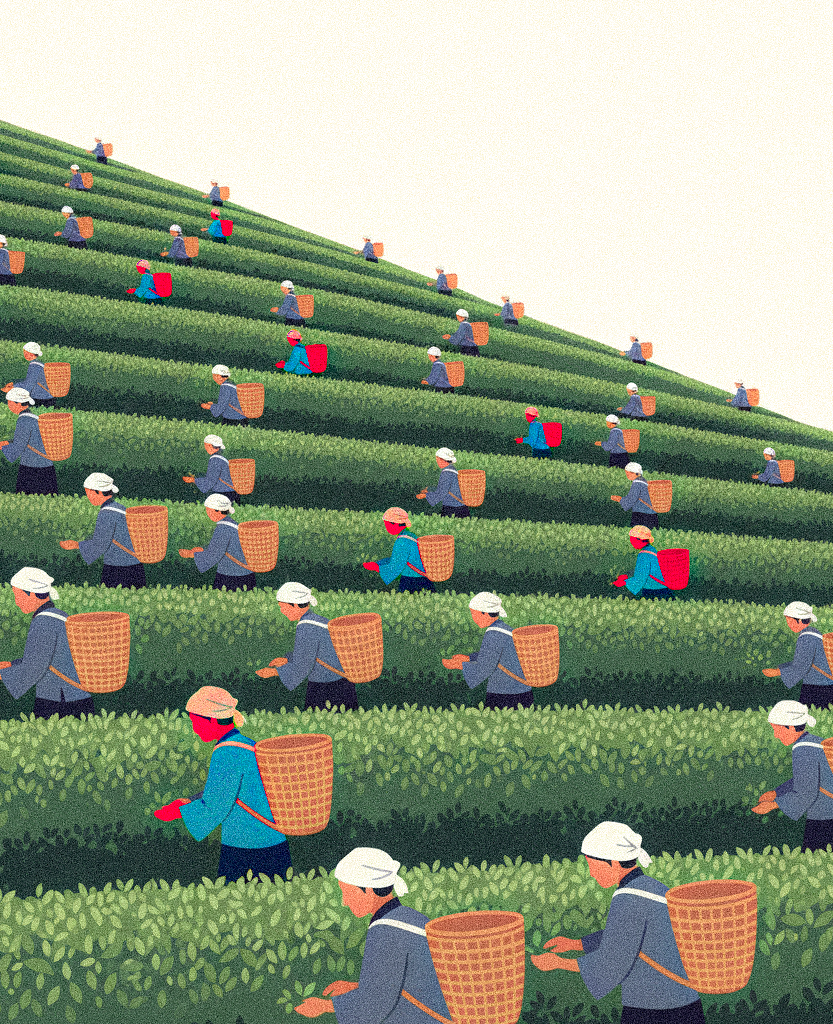
There is a special kind of music that isn’t written to entertain. It is made to unite people together to match breath with effort, to keep time when the body is tired, to turn repetitive work into something shared. In Georgia, that tradition lives in Naduri. Work songs born in the fields, shaped by rhythm, and carried by voices that learned to cooperate long before they learned to perform.
Naduri is not simply “a song sung while working.” It is a cultural idea: that collective labor can have dignity, and that even the hardest days can be met with structure, humor, resilience—and harmony.
What Is Naduri?
Naduri refers to Georgian traditional work songs, most closely associated with agricultural labor. These songs were historically sung during physically demanding tasks—moments when timing mattered, endurance mattered, and community mattered.
The purpose was practical as much as emotional, it was used to create a steady rythm for coordinated work, reduce the fatigue and control breath of workers. And Strengthen the moral and pathos of togetherness which is most important during work. In other words, Naduri functioned as a kind of social engine—music that helped people move as one.
What makes Naduri especially powerful in the Georgian tradition is that it often carries the logic of Georgian polyphony: multiple voices, distinct roles, one combined force.
You can hear the philosophy of Georgian singing inside these work songs: no single voice dominates for long. A lead may call, another may answer, and a steady supporting voice may hold the foundation. The effect is not polished in the modern studio sense—it is alive, shaped by the moment, the weather, the workload, the group itself.
This is where Naduri becomes more than folklore. It becomes evidence of how Georgian music developed not only from artistry, but from lived necessity.
Why Work Songs Matter (Even When We No Longer Work That Way)
Modern life has changed the spaces where traditions naturally lived. Mechanization, migration, and the decline of village-based communal labor have made work songs rarer in their original setting.
But Naduri still matters—perhaps even more now—because it carries something modern culture often lacks: a reminder that community is not a slogan. It is a practice.
Naduri as Intangible Heritage: A Living Responsibility
When UNESCO recognized Georgian polyphonic singing as intangible heritage, it affirmed something essential: traditions survive only when they remain lived. Naduri is a perfect example of this challenge. It cannot be safeguarded by recordings alone. It needs participation—rehearsal, teaching, and communities that treat it as something more than a stage piece.
And yet, performance is not the enemy. The stage can be a bridge—if it leads people back to the real heart of the tradition: collective voice, collective time, collective memory.